
Introduction
Avian colibacillosis, caused by pathogenic Escherichia coli, is one of the most prevalent and economically significant bacterial diseases in global poultry production. It affects birds of all ages, manifesting in various clinical forms including septicemia (characterized by perihepatitis, pericarditis, and air sacculitis), encephalitis, omphalitis, synovitis, and enteritis. The concurrent infection with multiple syndromes is common clinically. The rising prevalence of drug-resistant strains, coupled with its tendency to co-infect with other diseases such as Chronic Respiratory Disease (CRD), Avian Influenza, and Infectious Bronchitis, exacerbates mortality rates and leads to severe economic losses, particularly in broilers and laying hens.
1. Clinical Diagnosis: Key Indicators for Rapid Identification
Timely diagnosis is critical for effective intervention. The following signs strongly suggest an E. coli outbreak:
- Respiratory Distress: Coughing, dyspnea (often indicative of airsacculitis).
- Systemic Illness: Depression, anorexia, and ruffled feathers.
- Localized Lesions: Swollen joints (arthritis), distended abdomen (suggestive of yolk peritonitis in layers).
- Acute Mortality: Sudden death, especially in chicks.
- Pathognomonic Post-Mortem Findings:
- Fibrinous exudate covering the heart (pericarditis), liver (perihepatitis), and air sacs (airsacculitis)—the classic “triad” of lesions.
- Presence of foul-smelling yolk or caseous material in the abdominal cavity of laying hens (yolk peritonitis).
2. Integrated Prevention and Biosecurity Program
A proactive, multi-faceted approach is essential to curb E. coli incidence.
2.1 Environmental Management & Hygiene
- Climate Control: Maintain stable house temperature (33-35°C for chicks; 18-22°C for adults) and relative humidity (60-70%) to prevent cold stress and reduce ammonia generation.
- Ventilation: Optimize airflow to minimize ammonia concentrations (<15 ppm) and dust, lowering respiratory tract susceptibility.
- Litter Management: Keep bedding dry and change it regularly to prevent fecal buildup and bacterial proliferation.
- Routine Disinfection: Implement weekly 2-3 times spraying with effective disinfectants (e.g., iodine, potassium persulfate, quaternary ammonium compounds).
- Terminal Disinfection: Upon depopulation, conduct thorough cleaning followed by formalin fumigation or flame disinfection.
2.2 Strict Biosecurity Protocols
- Isolation & Quarantine: Isolate newly introduced birds for a minimum two-week observation period before integration. Restrict unauthorized personnel and vehicle entry; mandate disinfected footwear and clothing for staff.
- Water & Feed Safety: Provide clean drinking water and regularly clean water lines (consider sodium hypochlorite disinfection). Prevent feed mold by adding mycotoxin binders (e.g., montmorillonite) to avoid immune suppression.
2.3 Immunization & Prophylactic Strategies
- Vaccination: Utilize commercial inactivated vaccines targeting prevalent serotypes (e.g., O1, O2, O78). Breeders should be vaccinated twice pre-lay, 3-4 weeks apart. Autogenous (farm-specific) vaccines are recommended if a dominant unique serotype is identified.
- Pharmacological Prophylaxis:
- Antibiotics: Administer antibiotics like Enrofloxacin or Amoxicillin strategically during high-risk periods (e.g., first week, pre/post movement) for short durations. Implement antibiotic rotation to delay resistance development.
- Probiotics: Incorporate long-term supplementation with Bacillus subtilis or lactic acid bacteria to competitively exclude pathogenic E. coli colonization.
2.4 Monitoring & Early Intervention
- Regular Surveillance: Conduct monthly bacteriological culture and PCR testing on fecal or tissue samples to monitor strain dynamics and antibiotic susceptibility profiles, guiding therapeutic choices.
- Outbreak Response: Immediately isolate sick birds. Initiate flock-wide treatment based on current antibiogram results. Intensify daily environmental disinfection and ensure safe disposal of carcasses.
3. Treatment Protocols for Active Infections
3.1 Antibiotic Combination Therapy (For confirmed or suspected cases)
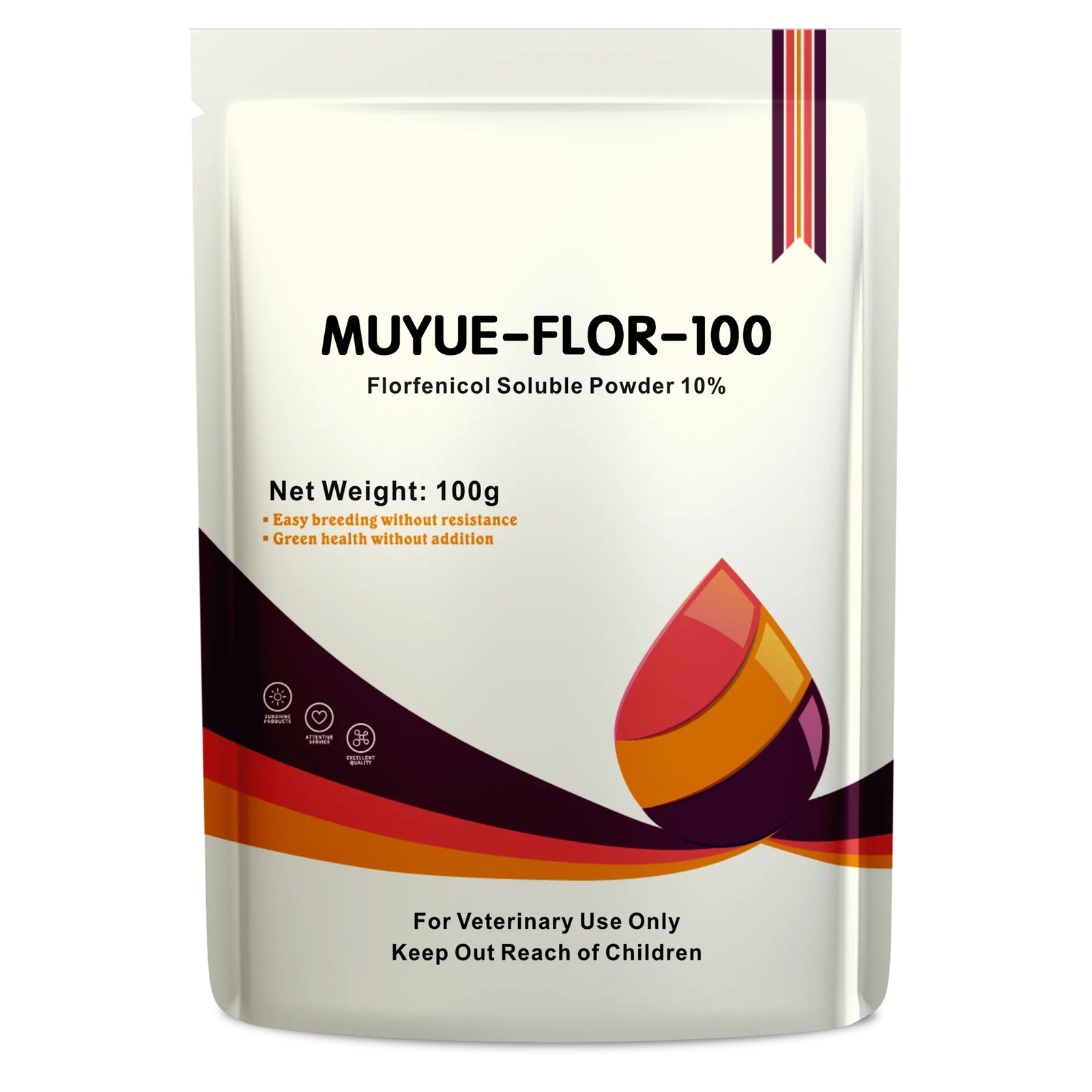
- Florfenicol + Doxycycline: Synergistic against E. coli and Mycoplasma mixed infections.
- Dosage: Florfenicol 10% solution (0.1 ml/kg body weight) + Doxycycline (20 mg/kg feed) for 5 days.
- Enrofloxacin + Amoxicillin: Broad-spectrum coverage against Gram-negative (E. coli) and Gram-positive (e.g., Staphylococcus) secondary infections.
- Dosage: Enrofloxacin 10% solution + Amoxicillin, administered for 3-5 days.
3.2 Adjunctive & Supportive Care
- For Suspected Viral Co-infections: Combine antibiotic therapy with antiviral/immunostimulants (e.g., Compound Antiviral Agent No. 8, Astragalus polysaccharide at 0.2g/L water) to manage secondary viral challenges (e.g., Newcastle Disease, IB).
- Hepatoprotective & Detoxification Support: Administer vitamin complexes and liver-protecting oral solutions concurrently to alleviate metabolic stress from medication and aid in hepatic repair, especially during extended treatment courses.