How to Quickly Determine If a Disease Is Infectious Bursal Disease
Rapid and precise Infectious Bursal Disease diagnosis is the cornerstone of poultry farm biosecurity. Infectious Bursal Disease (IBD), also known as Gumboro disease, causes severe immunosuppression in young chickens, leading to vaccine failure and secondary infections. For farmers and veterinarians, knowing how to quickly determine if a disease is IBD can drastically reduce mortality and economic losses. In this comprehensive guide, we combine field observations, post‑mortem findings, and modern lab techniques to deliver a reliable Infectious Bursal Disease diagnosis workflow. Moreover, MUYUE BIO offers advanced veterinary pharmaceuticals and feed additives that support immunity and gut health, making IBD control more effective.
1. Rapid Infectious Bursal Disease Diagnosis Through Clinical Signs & Behavior
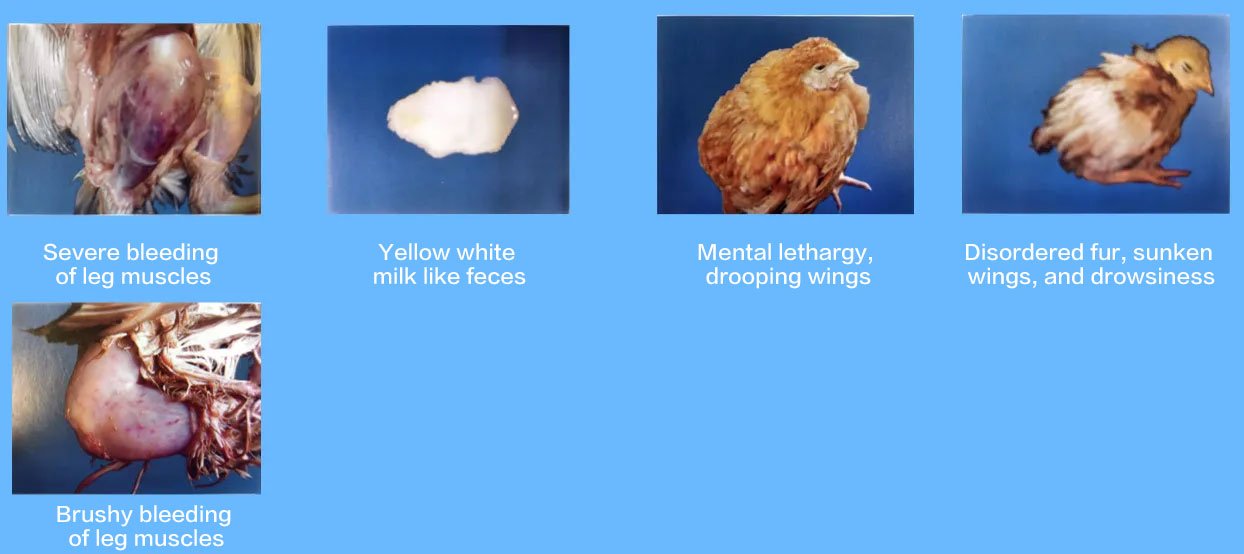
Early recognition of IBD relies on keen observation. Affected chicks (usually 3–6 weeks old) suddenly show depression, ruffled feathers, watery diarrhea, and vent pasting. Unlike other respiratory diseases, IBD primarily targets the bursa of Fabricius, and birds often appear severely dehydrated with a drooping appearance. The onset is abrupt – within 24–48 hours, morbidity can reach 100% while mortality varies from 5% to 60% depending on strain virulence. A quick differential diagnosis includes excluding Newcastle disease, infectious bronchitis, and coccidiosis. However, the combination of acute morbidity plus bursal lesions is highly indicative of IBD. For field veterinarians, scoring clinical signs helps prioritise which flocks require immediate laboratory confirmation.
2. Post‑Mortem & Bursal Pathology – Cornerstone of IBD Presumption
Necropsy remains the fastest on‑farm diagnostic method. The bursa of Fabricius, located just above the cloaca, shows pathognomonic changes: initially oedematous and yellowish (2–3 days post infection), later becoming haemorrhagic or atrophic. Muscular haemorrhages (especially thigh and pectoral muscles) and kidney swelling are common. In acute cases, the bursa may be enlarged with a gelatinous transudate. These gross lesions allow experienced practitioners to make a presumptive Infectious Bursal Disease diagnosis within minutes. However, subclinical or variant strains can cause less typical lesions, which is why combining necropsy with rapid antigen testing is recommended. For farms with recurrent IBD, MUYUE BIO’s range of immunomodulatory feed additives helps maintain bursal integrity and reduces field virus impact.
Our veterinary formulas contain plant‑derived immunostimulants, organic minerals, and gut‑health optimizers – helping poultry farms maintain productivity even under disease pressure.
3. Definitive Infectious Bursal Disease Diagnosis: Molecular & Serological Tools
When clinical signs and lesions are ambiguous, laboratory confirmation is essential. Several validated methods provide rapid and reliable Infectious Bursal Disease diagnosis:
- RT-PCR (Reverse Transcription PCR): Detects viral RNA from bursal tissues or cloacal swabs within 4–6 hours. Highly sensitive for all IBDV strains (classic, variant, and very virulent).
- ELISA (Antigen-capture or antibody): Antigen ELISA identifies viral proteins directly, while antibody ELISA monitors flock seroconversion post‑vaccination or infection.
- Agar Gel Immunodiffusion (AGID): Simple, low-cost method for detecting precipitating antibodies, though less sensitive than PCR.
- Lateral flow rapid tests: User‑friendly strips give results in 15–20 minutes, suitable for on‑farm screening.
For optimal accuracy, collect bursal samples from acutely sick birds (2–4 days post‑onset). Combining RT-PCR with histopathology offers the highest diagnostic confidence. With an accurate Infectious Bursal Disease diagnosis, farmers can implement timely biosecurity measures, adjust vaccination schedules, and initiate supportive treatments. MUYUE BIO collaborates with diagnostic labs to ensure integrated disease management, providing effective antimicrobial-free supportive care to reduce secondary bacterial complications.
4. Differential Diagnosis: Avoiding Confusion with Similar Diseases
Several poultry diseases mimic IBD, causing bursal lesions or general illness. The table below highlights key differentiators:
- Infectious Bronchitis (IB): Respiratory signs, nephritis; bursa usually normal.
- Newcastle Disease (ND): Nervous signs, greenish diarrhea, haemorrhagic proventriculus; bursa may be congested but no gelatinous oedema.
- Chicken Anemia Virus (CAV): Anaemia, bone marrow aplasia, lymphoid depletion without acute bursal haemorrhage.
- Gout or nutrition disorders: No bursal pathology.
Consequently, the presence of swollen, haemorrhagic bursa with muscular haemorrhages strongly indicates IBD. Always confirm via laboratory methods, especially when introducing new birds or after vaccination breaks. Proactive support with MUYUE BIO’s herbal feed additives and liver tonics helps birds cope with oxidative stress during outbreaks.
5. Integrated Control & Prevention: Role of MUYUE BIO Veterinary Products
Once a definitive Infectious Bursal Disease diagnosis is established, immediate action must be taken. There is no specific antiviral therapy for IBD; however, supportive care dramatically reduces losses. MUYUE BIO provides high‑quality veterinary products that strengthen the immune response and maintain intestinal barrier function, reducing secondary E. coli or Clostridium infections. Recommended measures include:
- Biosecurity reinforcement: Isolation of affected houses, disinfection (phenolic or iodine compounds), and reduction of environmental stress.
- Supportive hydration & electrolytes: MUYUE BIO’s water-soluble vitamin-electrolyte mixes prevent dehydration and acidosis.
- Immunomodulatory feed additives: Based on beta-glucans, nucleotides, and organic selenium – proven to accelerate bursal regeneration.
- Vaccination adjustment: Intermediate or immune-complex vaccines may be used in high‑risk areas. Consult a poultry veterinarian.
Through years of research, MUYUE BIO has developed a line of toxin binders and gut health promoters that complement IBD control programs, reducing the impact of secondary pathogens. Our products are GMP‑certified, residue‑free, and suitable for organic poultry production where applicable.
*These links direct to trusted resources and product catalogs . For more details about MUYUE BIO veterinary medicines, feed additives, and farm support, contact our technical team.
Conclusion: Fast Decision = Healthy Flocks
Mastering the ability to quickly determine if a disease is Infectious Bursal Disease saves time, money, and animal welfare. By integrating clinical examination, rapid necropsy, and molecular confirmation, you can achieve a reliable Infectious Bursal Disease diagnosis within hours. With MUYUE BIO as your partner, you gain access to premium veterinary pharmaceuticals and nutrition-based feed additives that fortify poultry immunity and reduce disease susceptibility. Implement a proactive monitoring plan, train your staff, and never underestimate the power of early detection. For further technical bulletins and product data, visit our online platform (placeholder via zsyhn.com).