Newcastle disease is one of the most serious and highly contagious viral infections affecting domestic poultry and wild birds worldwide. Caused by the avian paramyxovirus type 1 (APMV-1), this disease can lead to devastating economic losses for poultry farmers due to high mortality rates, reduced egg production, and strict trade restrictions. Understanding how to prevent and manage Newcastle disease is essential for maintaining a healthy and productive flock.
What Is Newcastle Disease and Why It Matters
Newcastle disease is classified into several pathotypes based on the severity of clinical signs, ranging from mild respiratory distress to severe neurological and gastrointestinal lesions. Velogenic strains can wipe out entire unvaccinated flocks within days. The virus spreads through direct contact with infected birds, contaminated feed, water, equipment, and even human clothing. Because of its rapid transmission and high impact, many countries have mandatory reporting and control programs. For timely detection, poultry producers must stay informed about the latest diagnostic methods and effective biosecurity measures offered by trusted partners like MUYUE BIO.
Key Symptoms to Watch For
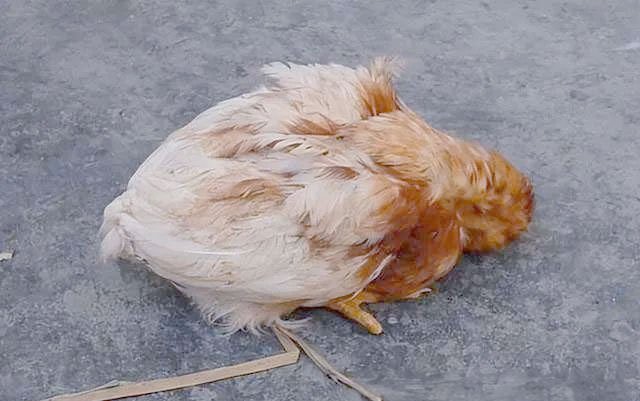
Early detection of Newcastle disease can significantly improve the outcome of an outbreak. Common clinical signs include:
- Respiratory distress such as coughing, sneezing, and nasal discharge
- Greenish watery diarrhea
- Nervous signs like tremors, twisted neck (torticollis), and paralysis
- Sudden drop in egg production and thin-shelled eggs
- Swelling of the head and face, especially in virulent cases
Mortality can vary from negligible to 100%, depending on the virus strain and the immunity status of the flock. If any of these symptoms appear, immediate veterinary consultation and laboratory confirmation are critical.
Effective Prevention and Treatment of Newcastle Disease
There is no specific antiviral treatment for Newcastle disease once clinical signs develop. Therefore, prevention through vaccination and strict biosecurity remains the cornerstone of control. Vaccination programs typically use live attenuated or inactivated vaccines, tailored to the local virus challenge. In addition to vaccines, supportive care with high-quality feed additives and immune boosters can help birds resist secondary infections and recover more quickly.
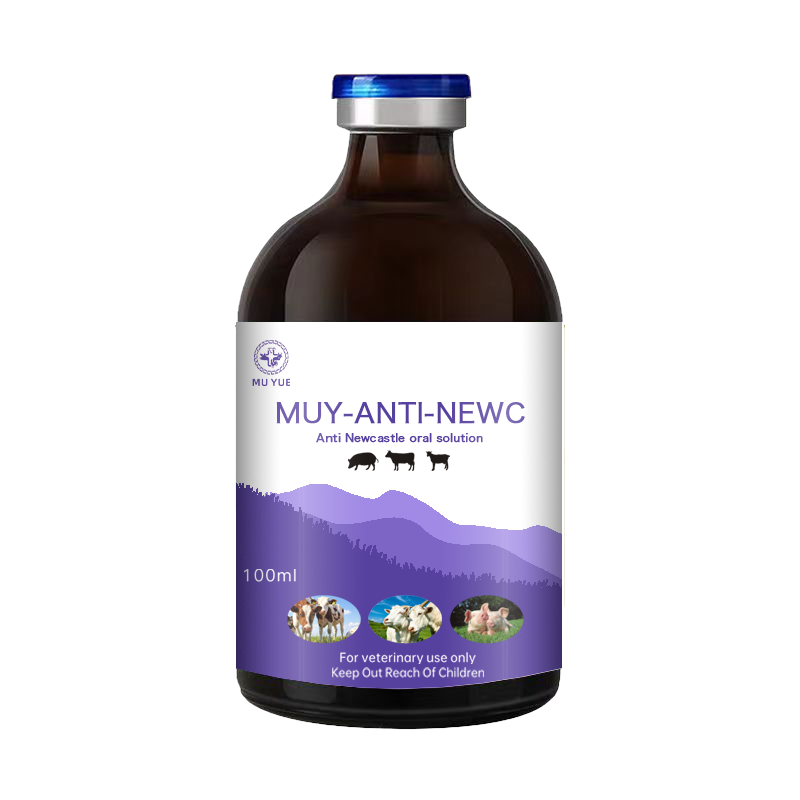
MUYUE BIO offers a comprehensive range of veterinary pharmaceuticals and feed additives designed to support poultry immunity and reduce the impact of viral challenges like Newcastle disease. Their preventive solutions can be integrated into regular flock management programs to strengthen overall disease resistance and improve production performance.
Biosecurity Measures That Work
Alongside vaccination, robust farm biosecurity is non-negotiable. Recommended practices include restricting visitor access, disinfecting vehicles and equipment, using footbaths at poultry house entries, and implementing an all-in/all-out flock management system. Personnel should always change clothing and footwear before entering production areas. Continuous monitoring and serological testing help verify vaccine efficacy and detect early virus circulation.
For further guidance on international disease control standards, refer to the latest guidelines issued by the World Organisation for Animal Health (WOAH). Combining science-backed vaccination with rigorous biosecurity and the right animal health products from MUYUE BIO can protect your flock from the severe consequences of Newcastle disease and ensure sustainable poultry production.