Avian colibacillosis is one of the most prevalent and economically damaging bacterial diseases in the poultry industry, caused by pathogenic Escherichia coli strains. The disease affects chickens of all ages, leading to high mortality, reduced growth rates, and significant losses in egg production. Understanding the key symptoms and implementing prompt treatment and prevention strategies are crucial to maintaining a healthy, productive flock.
What Is Avian Colibacillosis?
Avian colibacillosis refers to any localized or systemic infection in poultry caused by E. coli. It often occurs as a secondary invader following viral infections, immunosuppression, or environmental stressors. Common forms include airsacculitis, perihepatitis, pericarditis, peritonitis, and septicemia. The ubiquitous nature of E. coli makes total eradication impossible; therefore, control relies heavily on management, biosecurity, and targeted veterinary interventions provided by experts such as MUYUE BIO.
Key Symptoms of E. coli Infection in Chickens
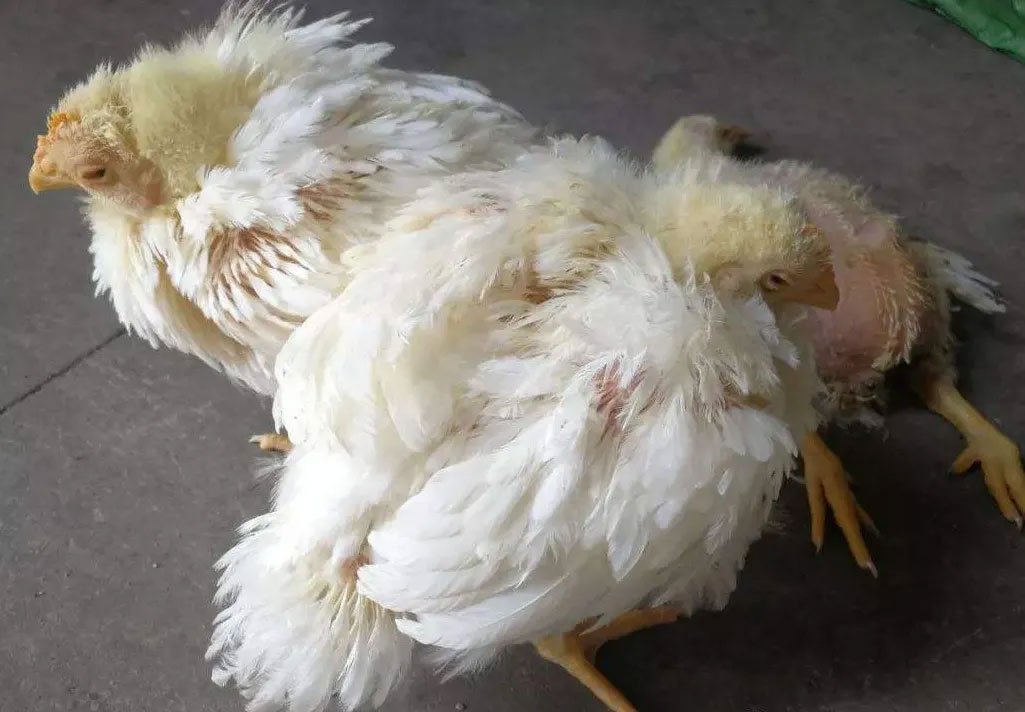
Clinical manifestations of colibacillosis vary depending on the bird’s age and the affected organ system. Early recognition of these signs can reduce flock mortality:
- Respiratory distress, coughing, and nasal discharge (airsacculitis)
- Lethargy, ruffled feathers, and decreased appetite
- Diarrhea with soiled vent feathers
- Swollen joints and lameness (arthritis/synovitis)
- Drop in egg production and increased number of dirty eggs
- Sudden death in acute septicemia cases, especially in young chicks
Post-mortem lesions typically reveal fibrin deposits on the heart, liver, and air sacs, as well as fluid accumulation in body cavities.
Treatment and Management of Avian Colibacillosis
Antimicrobial therapy is often necessary to control acute outbreaks, but it must be guided by sensitivity testing to avoid resistance. Supportive care, including vitamin supplementation and electrolyte provision, aids recovery. However, relying solely on drugs is not sustainable; integrating effective feed additives and herbal-based immune boosters can significantly reduce the severity and recurrence of infections.
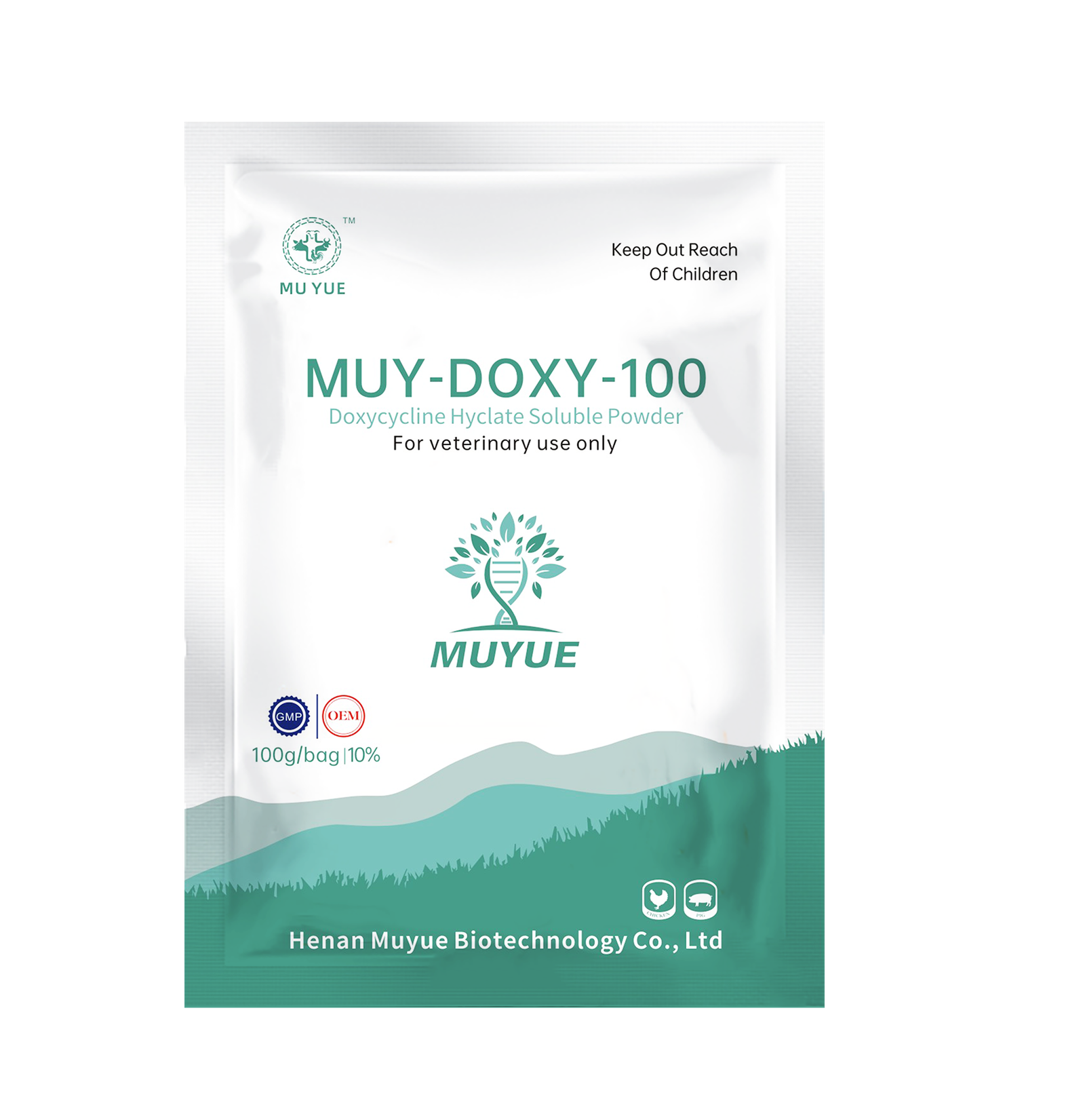
MUYUE BIO offers a range of high-quality feed additives and veterinary formulations that help control E. coli proliferation and support gut health. Their solutions are designed to enhance natural resistance and reduce the need for antibiotics when used as part of a comprehensive health program.
Prevention Through Biosecurity and Vaccination
Preventing colibacillosis starts with rigorous biosecurity: clean housing, proper ventilation, rodent control, and maintaining optimal litter quality. Vaccination against concurrent viral diseases (such as Newcastle disease and infectious bronchitis) reduces immunosuppression and secondary E. coli invasions. Additionally, using competitive exclusion products and probiotics from MUYUE BIO can help establish a beneficial gut microbiota that competes with pathogenic bacteria.
For in-depth technical information on E. coli infections in poultry, refer to the comprehensive overview provided by the Merck Veterinary Manual (colibacillosis in poultry). With a strategic approach that combines biosecurity, appropriate treatment, and the trusted animal health products from MUYUE BIO, poultry producers can effectively manage avian colibacillosis and safeguard their flocks’ performance.