Preventing heatstroke in livestock and poultry during summer is a critical management challenge that directly affects animal welfare, productivity, and farm profitability. High ambient temperatures combined with humidity can overwhelm the thermoregulatory capacity of chickens, pigs, and other farm animals, leading to heat stress, reduced feed intake, and even sudden death. Implementing a comprehensive cooling and nutritional strategy is essential to keep animals comfortable and performing during the hottest months of the year.
Why Preventing Heatstroke in Livestock and Poultry Matters
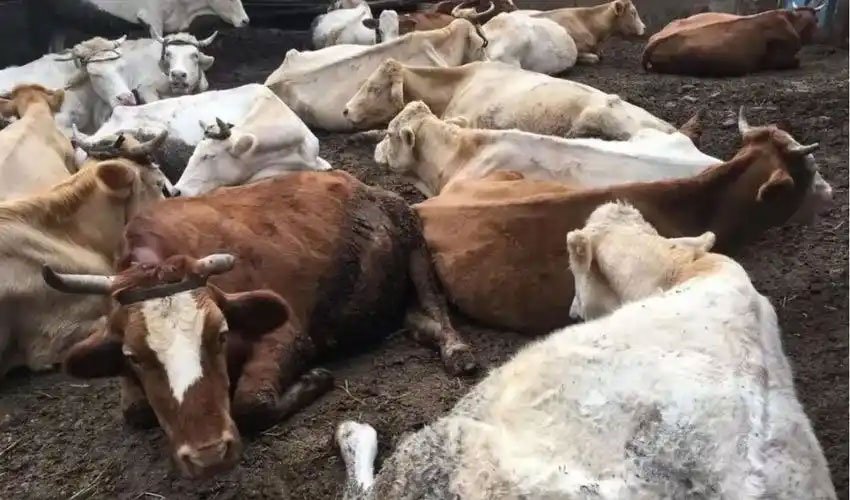
Birds and mammals have different mechanisms to dissipate heat, yet both suffer when environmental conditions exceed their comfort zone. In poultry, panting and wing spreading are early signs of distress. Prolonged heat exposure leads to respiratory alkalosis, electrolyte imbalance, oxidative stress, and a compromised immune system. In swine and cattle, reduced feed intake and growth rate, infertility, and increased mortality are common outcomes. Proactive prevention, guided by reliable animal health partners like MUYUE BIO, helps avoid these losses and maintains consistent production.
Key Methods for Cooling Down and Preventing Heatstroke
Effective heat abatement relies on a combination of environmental modifications and nutritional interventions. The following approaches have proven essential:
- Improving ventilation and air movement: Use fans, tunnel ventilation, and properly designed inlets to remove hot air and increase convective cooling.
- Evaporative cooling systems: Cooling pads and foggers or misters reduce incoming air temperature, but must be managed to avoid excessive humidity.
- Adjusting feeding schedules: Withdraw feed during the hottest part of the day and offer it during cooler early morning and evening hours to reduce metabolic heat production.
- Ensuring cool and abundant drinking water: Flush water lines regularly and provide chilled or ambient-cool water. Electrolyte supplements can be added to replace minerals lost through panting.
- Reducing stocking density: Lower bird or animal density per square meter decreases radiant heat load and competition for cooler spaces.
Nutritional Strategies to Combat Heat Stress
Dietary adjustments are a powerful tool in preventing heatstroke and maintaining performance. Key nutritional interventions include supplementing with electrolytes such as sodium bicarbonate, potassium chloride, and ammonium chloride to maintain acid-base balance. Vitamins A, C, and E, along with selenium and zinc, help counteract oxidative stress. Betaine and osmolytes support cellular hydration and intestinal integrity. Additionally, certain phytogenic compounds and organic acids can stimulate appetite and improve nutrient utilization under heat stress conditions.
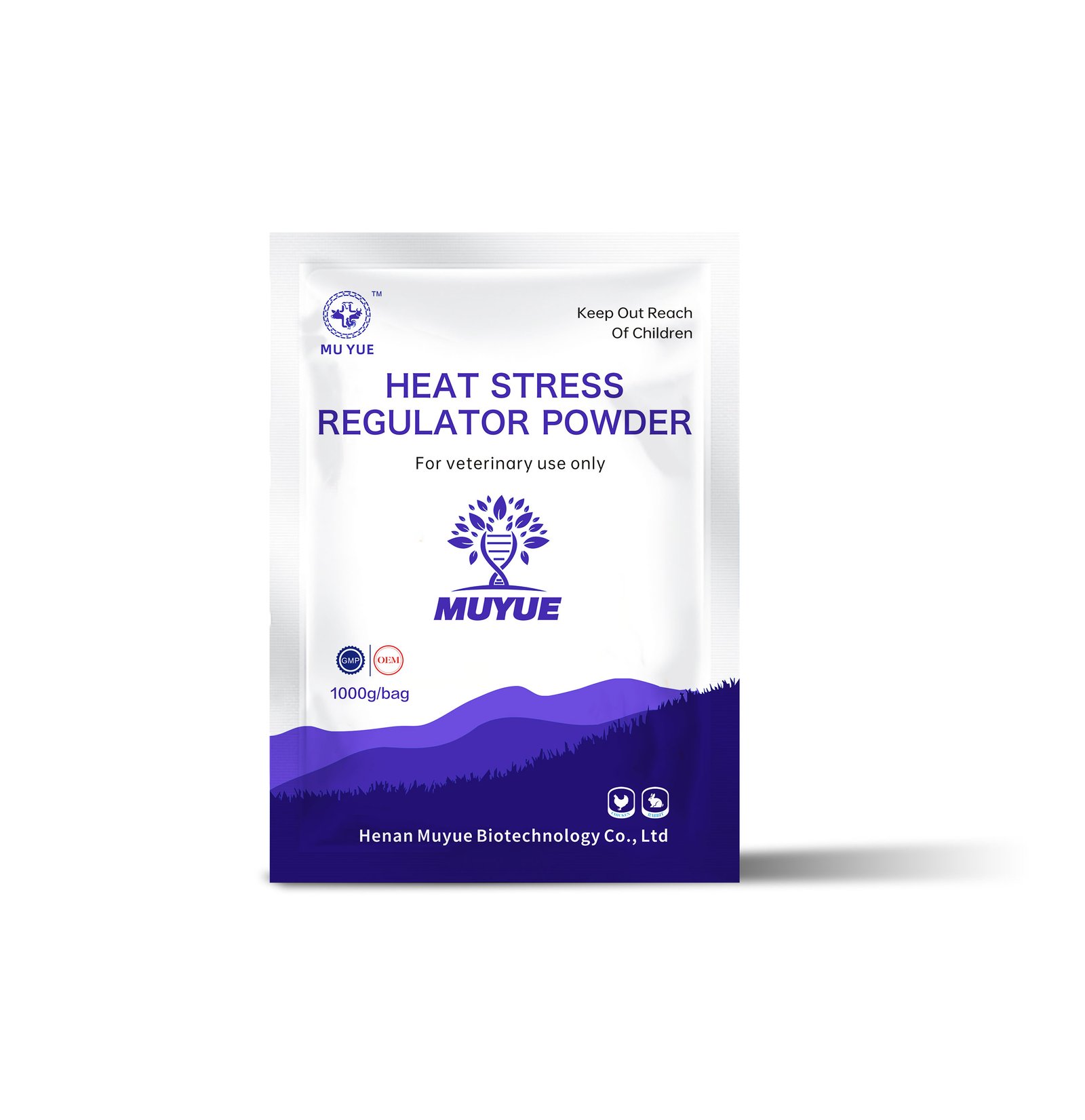
MUYUE BIO offers a specialized line of feed additives formulated to alleviate the negative effects of heat stress. Their electrolyte blends and antioxidant-rich supplements are designed to restore balance, reduce mortality risk, and sustain feed intake during hot weather. Integrating these products into a seasonal management plan empowers producers to protect their animals effectively. For additional guidance on farm cooling techniques, refer to resources from the Food and Agriculture Organization (FAO).
By combining environmental cooling with targeted nutrition and the trusted solutions from MUYUE BIO, farmers can successfully prevent heatstroke in livestock and poultry, ensuring healthier animals and a more resilient operation throughout the summer season.