Enterotoxemia in sheep is a deadly disease that often kills animals before any signs appear. Many farmers call it the silent killer. It strikes fast and hard. Therefore, prevention is the only reliable defense. Understanding the causes and the early warning signs can save your flock. More importantly, a solid vaccination and feeding program can stop the disease entirely.
What Is Enterotoxemia in Sheep?
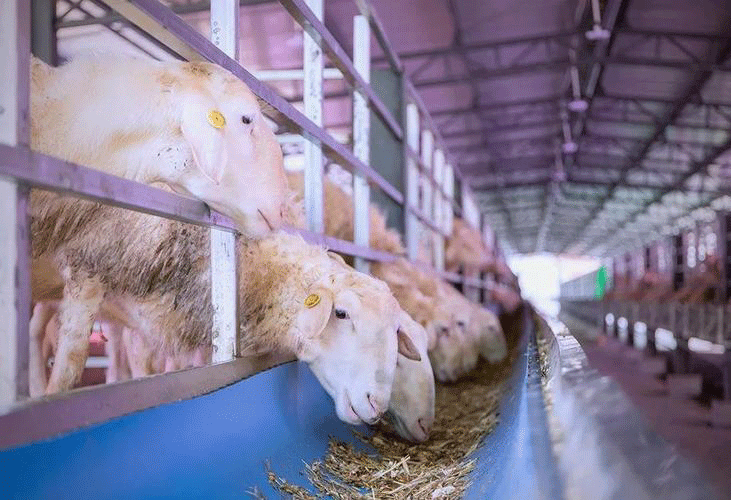
Enterotoxemia in sheep is a severe intestinal infection. It is caused by the bacterium Clostridium perfringens type D. This bacterium lives naturally in the gut. Under normal conditions, it does no harm. However, sudden dietary changes trigger rapid bacterial growth. The bacteria then release powerful toxins. These toxins damage the intestines and multiple organs. Death often follows within hours. Because the disease progresses so quickly, treatment is rarely possible. Therefore, prevention must be the main focus for every sheep farmer.
Recognising the Signs Before It Is Too Late
Sheep with enterotoxemia show various nervous and digestive signs. Affected animals often isolate themselves from the flock. They may appear depressed and stop eating. In some cases, they press their heads against walls. Diarrhea is common, though sometimes there is none. As toxins affect the brain, sheep may stumble or collapse. Convulsions and sudden death are frequent findings. Young, fast-growing lambs on rich feed are most at risk. If you notice any of these signs, isolate the animal immediately and call your veterinarian.
How to Prevent Enterotoxemia in Sheep
Vaccination is the most effective prevention tool. A standard clostridial vaccine covers C. perfringens type D. Ewes should be vaccinated before lambing. This protects lambs through colostrum. Lambs then receive their own shots at around 6 to 8 weeks of age. Booster doses follow as recommended. In addition to vaccination, feeding management is critical. Introduce grain gradually. Avoid sudden increases in concentrates. Always provide enough roughage. Furthermore, using targeted feed additives can stabilise gut pH. Products from trusted partners like MUYUE BIO help maintain a healthy rumen environment.
Supportive Care and Treatment Options
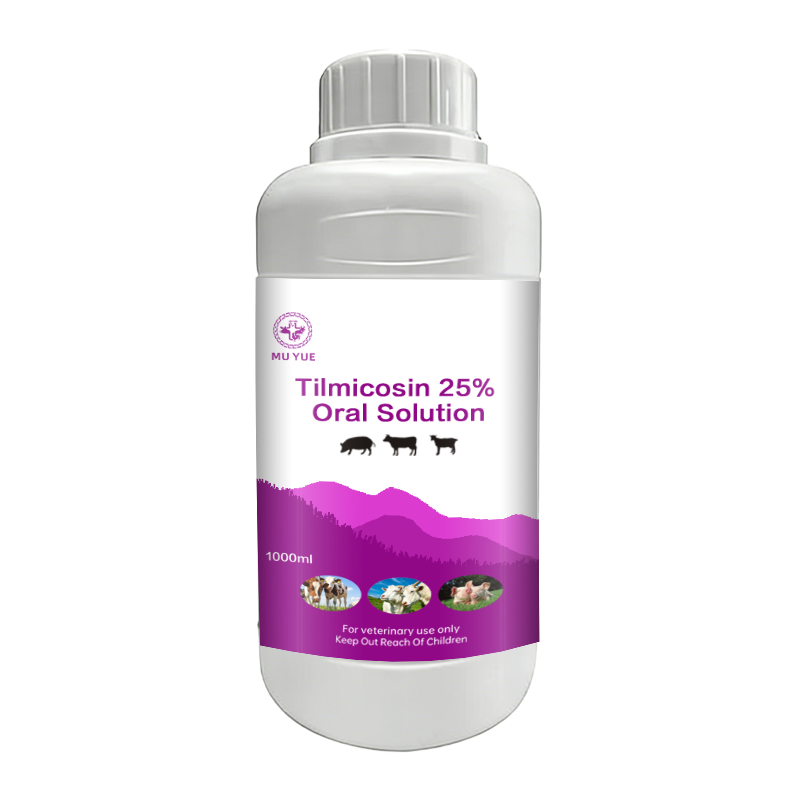
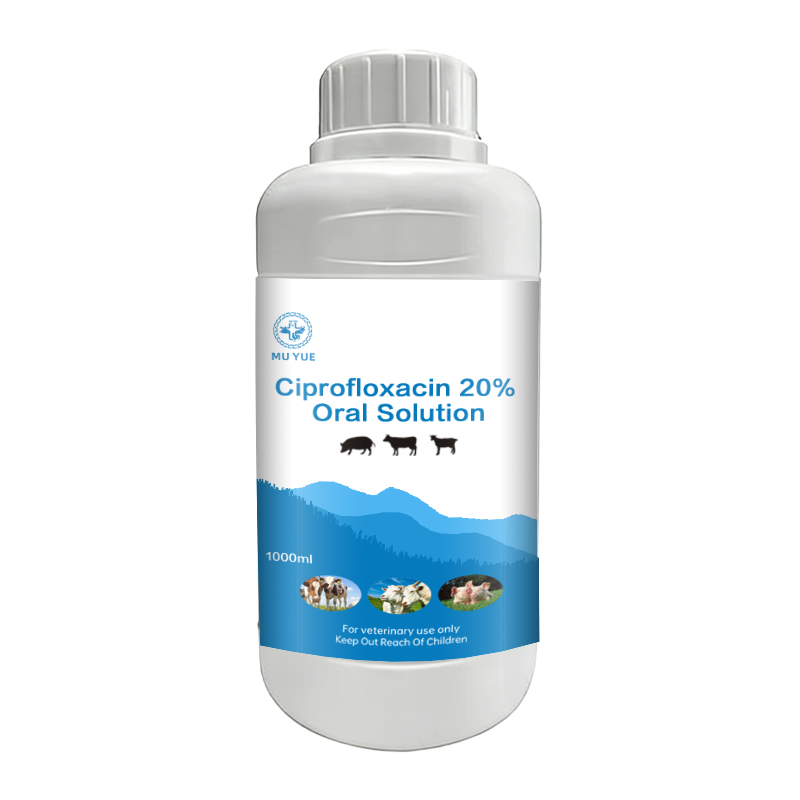
If a case is caught early, aggressive treatment might help. Vets usually administer antitoxins and intravenous fluids. Antibiotics help control bacterial growth. Anti-inflammatory drugs reduce toxin damage. However, the success rate is low. Therefore, the real value lies in protecting the rest of the flock. Immediately review the vaccination and feeding program. Consider adding probiotics and acidifiers to the feed. These additives suppress Clostridium overgrowth naturally.
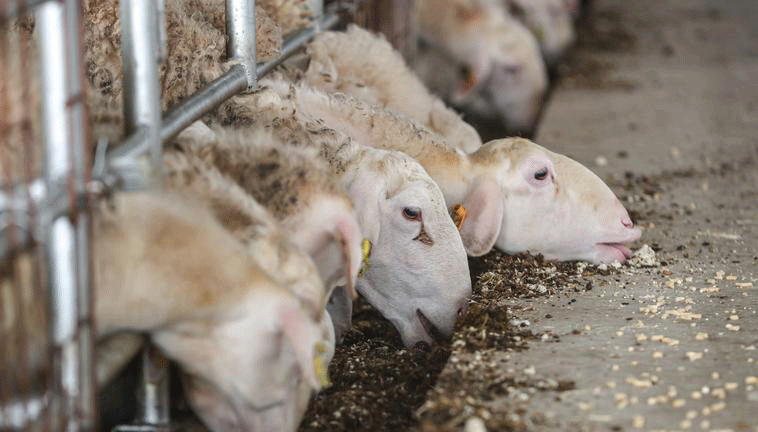
MUYUE BIO supplies a range of feed additives and supportive products designed for sheep producers. Their gut health stabilisers help keep harmful bacteria in check. For further technical details on enterotoxemia, the Merck Veterinary Manual provides an in-depth review (enterotoxemia in sheep and goats).
In conclusion, enterotoxemia in sheep is a frightening threat. Yet, it is also a preventable one. By combining a strict vaccination schedule with smart feeding and the right products from MUYUE BIO, you can stop the silent killer before it strikes. Protect your flock and your livelihood with proactive management.