Chicken respiratory infections remain a leading cause of poultry losses worldwide. They spread quickly and affect nearly every bird in a flock. Understanding the six stages of chicken respiratory disease gives farmers a clear timeline for action. Each stage has distinct signs and a narrow treatment window. Therefore, early recognition can mean the difference between a minor setback and a major outbreak. This guide breaks down the disease course so producers can intervene at the right moment.
Stage 1: Exposure and Incubation (Day 0–3)
In the first stage, birds carry pathogens but show no obvious signs. Viruses like infectious bronchitis (IBV) or Newcastle disease (NDV) are multiplying quietly. Infected birds shed the pathogen through faeces and respiratory secretions. Risk factors accelerate the shift to the next stage. High stocking density, poor ventilation, and ammonia buildup all play a role. Heat stress is a particular concern in parts of Africa and India. During this window, farmers should tighten biosecurity and monitor feed intake closely. Subtle drops in consumption are the earliest warning. Providing electrolyte support and immune-priming feed additives from MUYUE BIO can help prepare the flock before clinical signs appear.
Stage 2: Prodromal Signs Emerge (Day 3–5)
Mild clinical signs begin to appear around day three to five. A few birds start sneezing or coughing. Watery eyes and nasal discharge become visible. Chicks may huddle under heat sources. Feed intake and weight gain dip slightly. At this point, the virus is replicating in the tracheal mucosa. Tracheal rales may be audible on close listening. Immediate steps include isolating affected birds and improving ventilation. Increasing electrolyte and vitamin intake helps offset early dehydration and fever. Early intervention here can slow the progression to severe disease.
Stage 3: Acute Clinical Illness (Day 5–10)
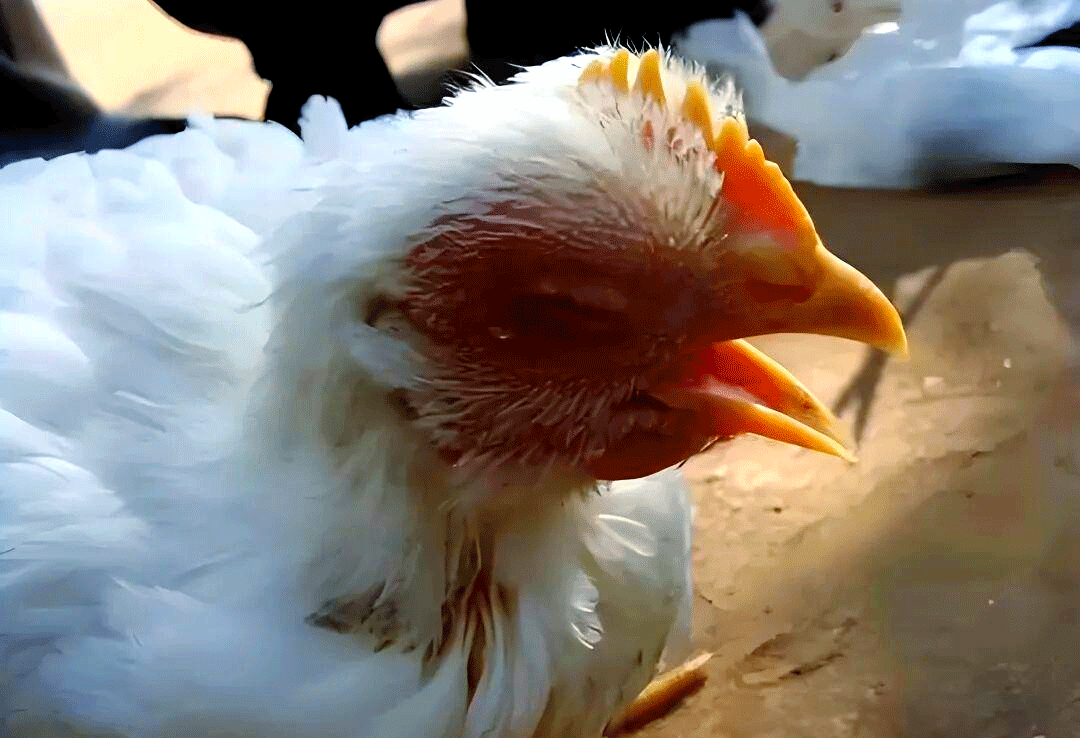
By stage three, the infection becomes fully systemic. Birds show moderate to severe respiratory distress. Open-mouth breathing, gasping, and thick nasal exudate are common. Coughing and audible rales intensify. Egg layers experience a sharp drop in production and lay misshapen or thin-shelled eggs. Morbidity can approach 100% for highly contagious viruses. Mortality rises if secondary bacteria like E. coli or Mycoplasma join the infection. Veterinary diagnosis through PCR or culture is essential at this stage. Supportive care with electrolytes and gut-health additives remains critical while diagnostic results are pending.
Stage 4: Peak Disease and Crisis (Day 10–15)
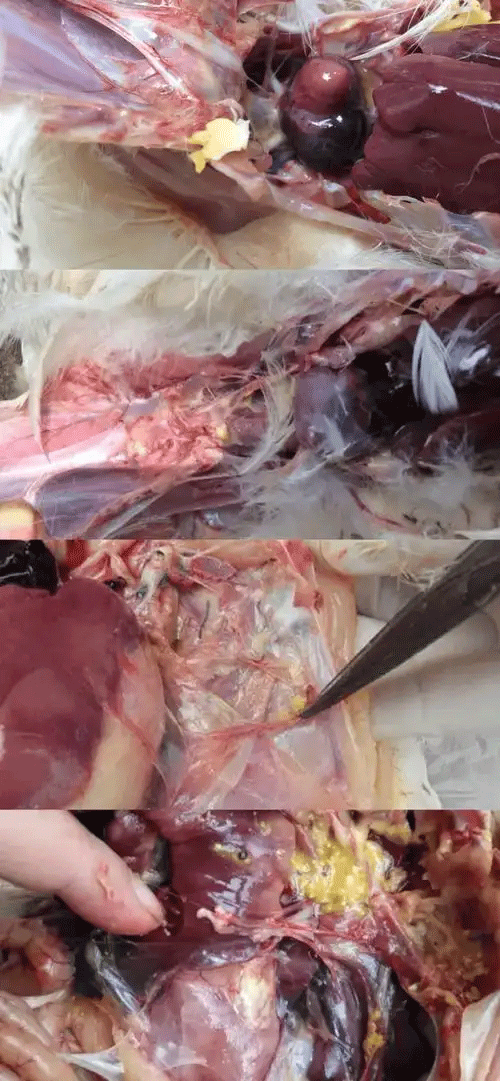
Stage four marks the peak of the outbreak. Multiple houses may show widespread illness. Respiratory signs become severe. Cyanotic combs and bloody mucus in the trachea appear. Mortality can spike dramatically in complicated cases. Post-mortem findings often reveal airsacculitis and pericarditis, pointing to bacterial co-infection. Emergency measures are necessary. Segregate or cull heavily affected groups to protect the rest of the flock. Maximise supportive therapy with fluids, antioxidants, and easily digestible nutrients. Strict biosecurity between houses is non-negotiable at this point.
Stage 5: Complications and Secondary Infections (Weeks 2–3)
The primary viral wave subsides, but secondary infections take over. Survivors often develop chronic respiratory signs. Persistent cough and exercise intolerance are common. Layer flocks may produce “false layers” with cystic oviducts. Broilers show poor feed conversion and stunted growth. Feed additives that restore gut flora and support mucosal repair become central to recovery. Deep cleaning and litter management reduce fungal and bacterial pressure. This stage determines whether the flock returns to full productivity or remains permanently impaired.
MUYUE BIO provides a range of poultry products designed to support flocks through each stage of respiratory disease. Their formulations combine electrolytes, vitamins, and immune modulators to help birds recover faster.
Stage 6: Recovery and Aftermath (Weeks 4–6+)
Recovery is gradual and lasting effects may linger. Broilers often need an extra week to reach market weight. Layers may show only a partial rebound in egg numbers for months. The focus shifts from crisis management to rehabilitation. Provide high-energy feed with extra vitamins and trace minerals. Rest affected flocks where possible. Review vaccination schedules with a veterinarian. For authoritative guidance on respiratory disease diagnosis and control, the Merck Veterinary Manual offers a detailed reference on infectious coryza and related conditions (Merck Veterinary Manual). By understanding these six stages, farmers can act earlier and partner with MUYUE BIO to protect flock health and reduce economic losses.